
Top-Rated Architects in Chatsworth, CA
Top Rated Architects in Chatsworth, CA
Designing Spaces.
Defining Lifestyles.
At I Arch Studios, every project begins with a vision — your vision. Founded on the belief that great design should be both beautiful and functional, we’ve dedicated ourselves to creating spaces that reflect how people truly live. From ADUs and remodels to new custom homes, our approach combines creativity, precision, and local expertise.

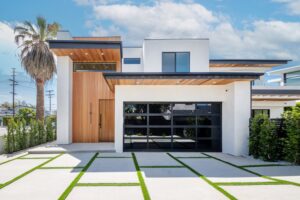
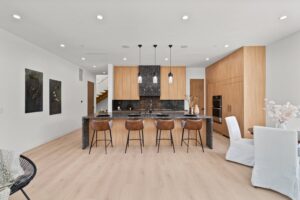

ADU Design & Permits
We specialize in Chatsworth ADU design, helping homeowners create functional and stylish accessory dwelling units that comply with local zoning and building codes.
General Services
As experienced architects in Chatsworth, CA, we offer full-service solutions for ADUs, home remodels, new construction, and SB9 lot splits.
Remodels
Thinking of renovating your home? Our team has completed numerous Chatsworth home remodels, from kitchen upgrades to full second-story additions.
Local Knowledge
With in-depth knowledge of Chatsworth zoning laws and permit processes, I Arch Studios makes it easy to get your project approved and built.
Permit-Ready ADU Plans for Chatsworth Properties
Get Started on Your Chatsworth Project Today
Contact us today to get started on your Chatsworth ADU project or residential design in Chatsworth
Architects in Chatsworth , CA
Architects in Chatsworth, CA Who Understand Your Goals
We’re not just architects — we’re strategic partners invested in your success. Our Chatsworth clients count on us for:
Home Remodels in Chatsworth
New Construction Planning
SB9 Lot Split & Duplex Designs
Permit Assistance with the City of Chatsworth
With years of experience navigating Chatsworth’s architectural review and planning process, we know how to get your project approved and built quickly.
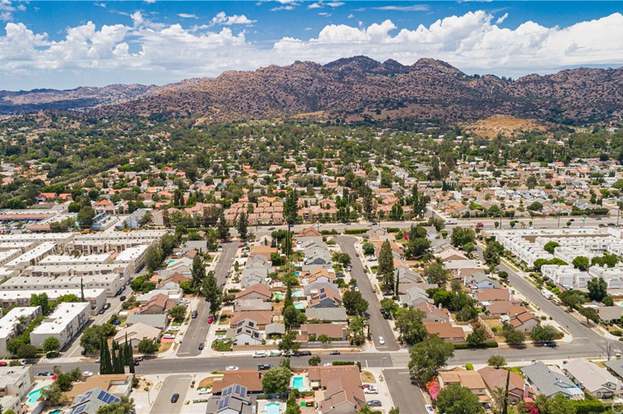
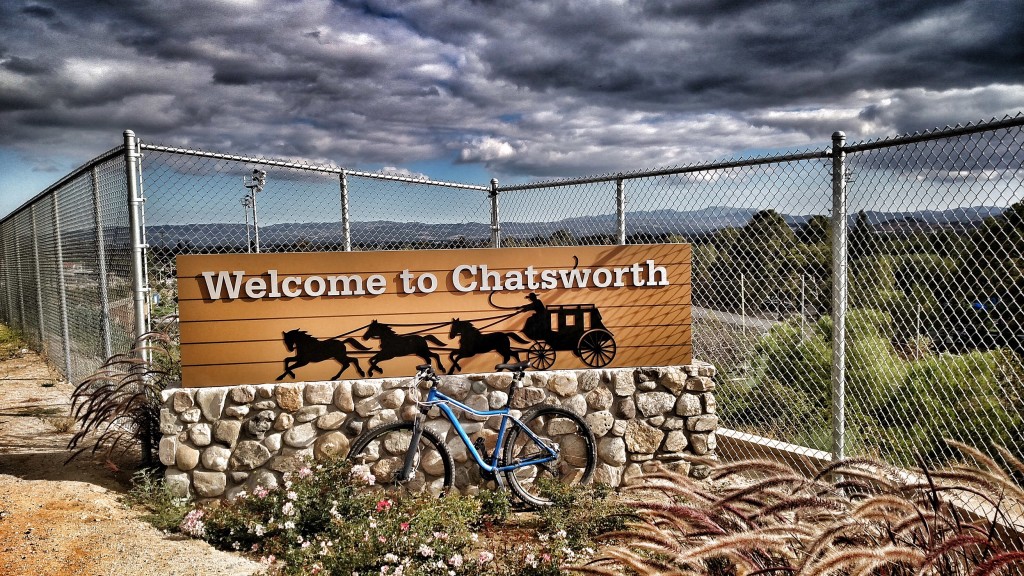
Your Local Partner for Chatsworth ADU Design
We provide custom Chatsworth ADU design solutions that meet city regulations and maximize property value. Whether you’re converting a garage or building a detached ADU from the ground up, our team ensures a seamless process from concept to construction.
✅ Permit-Ready ADU Plans
✅ Knowledge of Chatsworth Zoning Requirements
✅ Fast Turnaround & Efficient Communication
Looking to build an ADU, remodel your home, or start a new construction project in Chatsworth? At I Arch Studios, we specialize in architectural design, permit processing, and project management tailored specifically for Chatsworth homeowners and developers.
Why Choose I Arch Studios?
Local expertise in Chatsworth architecture and construction
Over 20 pre-approved ADU plans available
Full-service design & engineering packages
Transparent pricing and personalized service
We help homeowners, investors, and developers maximize their lot potential in Chatsworth with innovative, code-compliant designs.
Frequently Asked Questions
Architectural fees in Los Angeles and surrounding cities (Glendale, Burbank, Pasadena) typically range from 5%–10% of the total construction cost for residential projects. For smaller projects like ADUs or garage conversions, some architects may offer a flat-rate design package. Hiring an architect ensures your plans meet city code and pass permit approval smoothly.
Adding an ADU (Accessory Dwelling Unit) or a home addition in Los Angeles often increases property value based on the average price per square foot in your neighborhood. For single-family homes and properties with fewer than four units, an ADU not only raises resale value but can also generate rental income, making it one of the best investments for California homeowners.
Most architectural projects in California follow these stages:
Consultation & Site Analysis – reviewing property conditions, zoning, and project goals.
Rough Design – initial sketches and layout concepts.
Design Development – refining the floor plans, elevations, and materials.
Prepare Documents – preparing detailed plans for permits and builders.
Permit Submittal – submitting to LADBS (Los Angeles Department of Building & Safety) or your local city’s planning department.
Construction Administration – optional, where your architect coordinates with contractors during the build.
In Los Angeles, Glendale, and Burbank, plan check approval usually takes 3–6 months. Timelines may be longer if your property is in a Historic Preservation Overlay Zone (HPOZ), hillside area, or near utility easements. Working with an experienced architect can speed up approvals by submitting a complete, code-compliant set of plans.
A wall can be removed only if it’s not load-bearing. Load-bearing walls support the roof, ceiling, or floor above and require a new beam or structural support to replace them. An architect or structural engineer in Los Angeles can determine if your wall is load-bearing and prepare safe, permit-ready plans for removal.
You can check eligibility for SB9 lot splits or duplex projects in Los Angeles by using the ZIMAS (Zone Information & Map Access System) tool or your city’s zoning map. Properties in very high fire zones, historic overlays, or environmental restrictions may not qualify. A licensed architect can review your parcel and confirm if SB9 applies to your property.
Under California state law, every single-family property has the right to build an ADU up to 800 sq. ft., even if local zoning would otherwise restrict it. In Los Angeles, detached ADUs can be as large as 1,200 sq. ft., depending on Residential Floor Area (RFA) limits. Glendale and Burbank also follow California ADU law but may enforce local design standards.
Always check with a local architect to confirm the latest ADU regulations for your city.
Los Angeles – Two-story ADUs are allowed if they meet height limits (generally up to 25 ft. for detached units).
Glendale – Detached ADUs are limited to single-story, though attached conversions may be possible.
Burbank – A second story is usually permitted only above an existing structure, such as a garage.